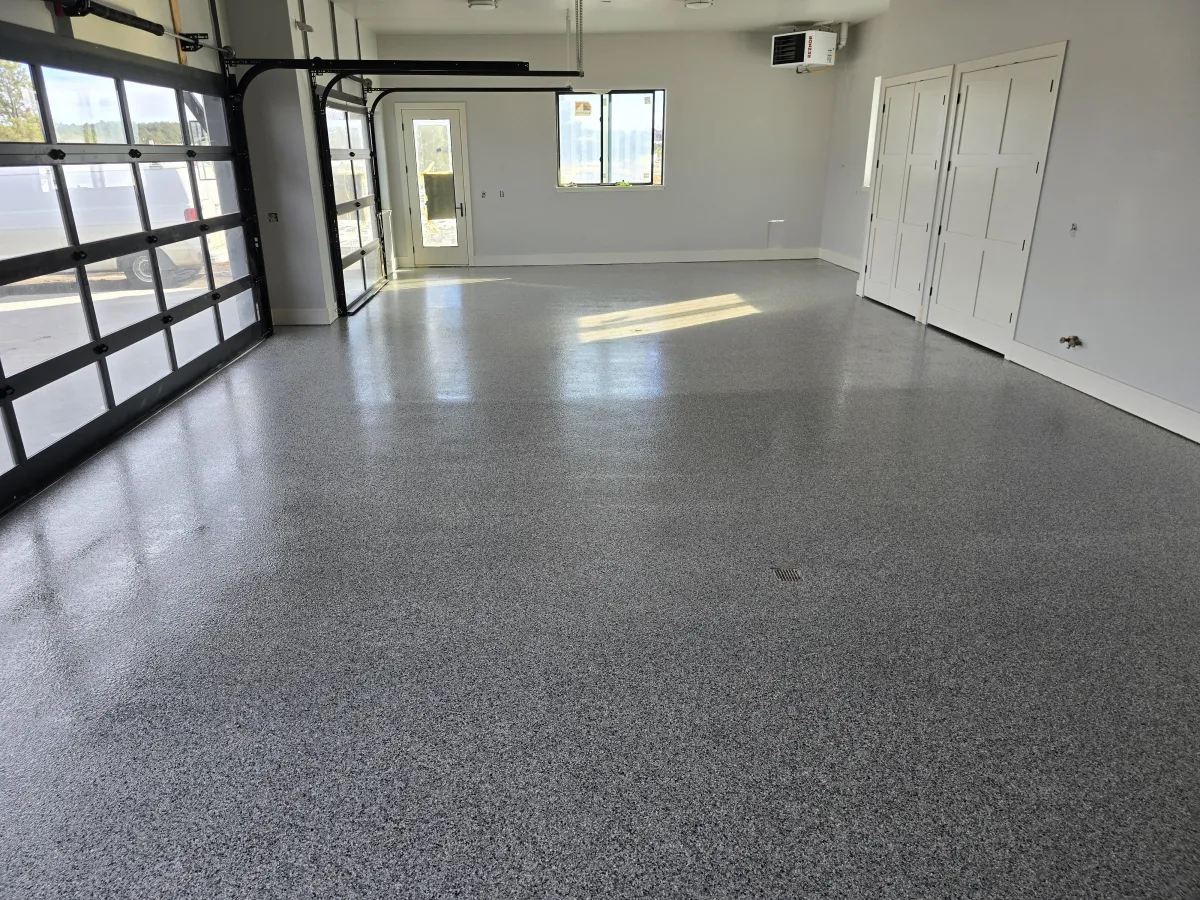
Creating Perfect Foundations: Expert Advice on Flooring Preparation Jun 18, 2026
The first step in flooring preparation is to evaluate the existing surface. Are you replacing an old floor or starting anew? Each scenario requires a unique approach. If you're working with a concrete slab, check for levelness and clean any debris that could affect the installation. Use a moisture meter to ensure the slab is dry, as excessive moisture can cause issues like flooring warping or mold growth. When dealing with an existing flooring surface, such as tile or wood, assess its condition to decide whether you need complete removal or if you can go over it with new materials.
Subfloor inspection is another crucial aspect of flooring preparation. Ensuring that the subfloor is sound, level, and free of defects or damage will prevent future problems. Uneven subfloors often lead to gaps, creaking noises, and premature wear of your new flooring. Correct these issues by sanding down high spots or using a self-leveling compound to fill in low areas. Remarkably uneven surfaces might require professional intervention.
Humidity and temperature also play significant roles in flooring installations. Before starting, let your materials acclimate to the room's conditions, especially when using natural materials like hardwood. This simple step reduces the likelihood of expansion, contraction, or other deformities once your flooring is installed. Maintaining the room at a stable temperature and humidity level before, during, and after installation ensures optimal results.
A crucial yet often overlooked aspect of flooring preparation is having the right tools and materials ready. Without the correct equipment, you risk delays and subpar results. For tearing out old flooring, tools like prybars or a power floor scraper can expedite the process. When it comes to subfloor preparation, trowels, and sanders can make all the difference in achieving a smooth, even finish.
Furthermore, preparing a clean workspace is vital. Clear the area of furniture, obstacles, and dust. A clean environment not only enhances your working conditions but also contributes to a better adherence of flooring to the subfloor. Dust and particles can interfere with adhesives and cause unnecessary challenges during the laying process.
Lastly, consider consulting with flooring professionals like John's Flooring Demo & Prep. Our expertise can guide you in selecting the right materials for the specific needs of your space. Using our services ensures exact measurements and a seamless preparation process tailored to the flooring type you're installing.
In conclusion, proper flooring preparation is an investment of time and effort that pays dividends in the form of beauty and durability. By following these steps, you'll be laying the groundwork for floors that enhance and elevate your space. Whether it's your first installation or you're a seasoned pro, prioritize preparation to achieve the perfect foundation for your project. Let John's Flooring Demo & Prep help you turn your flooring vision into reality with precision and care.
/filters:no_upscale()/filters:format(webp)/media/7599936a-a937-4809-9f1e-71a6f6a7b777.webp)
/filters:no_upscale()/filters:format(webp)/media/228f22fd-a659-4e5f-b6ea-702276badfd5.png)