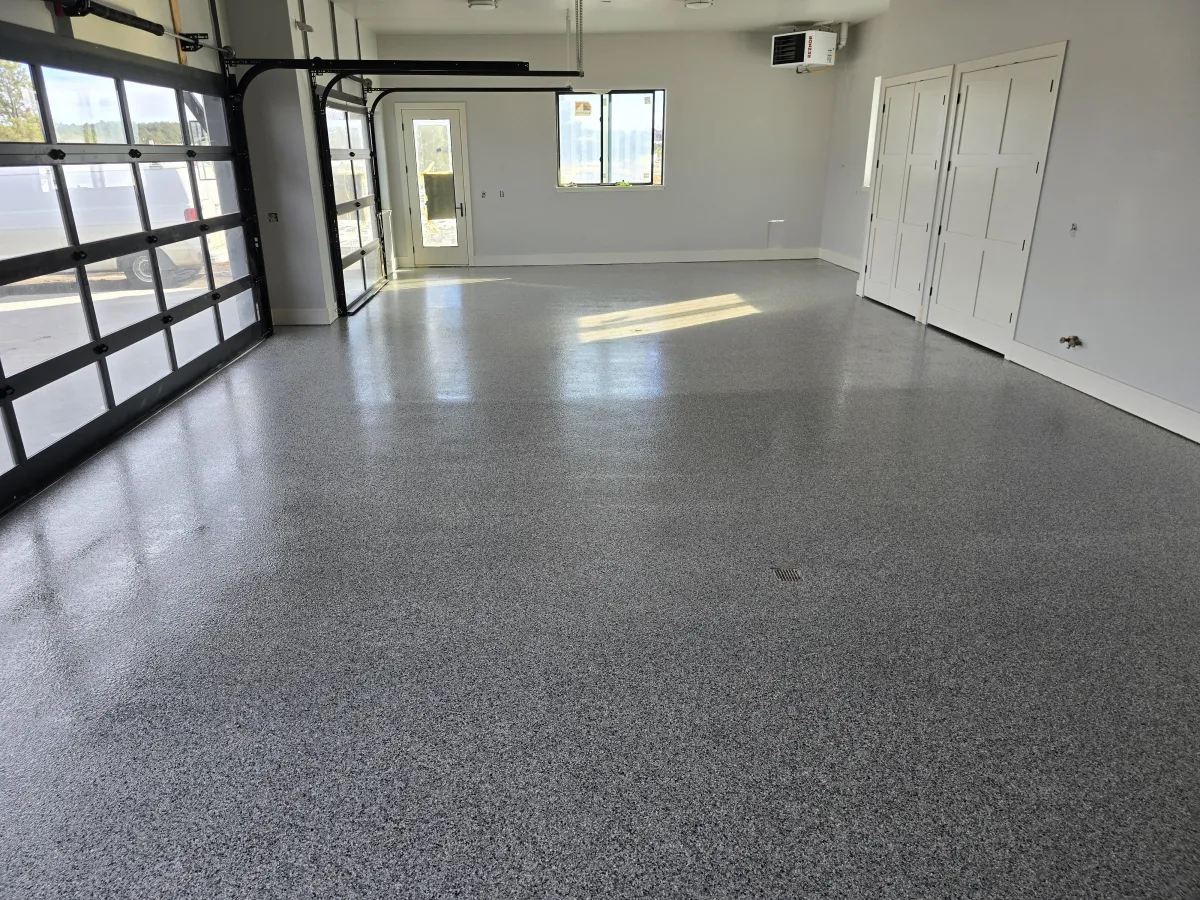
Mastering Floor Preparation: Tips from the Pros at John's Flooring Feb 14, 2026
The first step in effective floor preparation is a thorough assessment of the existing floor. At John's Flooring, our experts start by looking for damage, moisture issues, or prior installations that might affect the new flooring. Identifying these issues early helps to prevent complications down the line and is essential for maintaining the flooring's integrity. Homeowners should mimic this process by carefully examining their floors and noting any potential issues.
Once you’ve identified problem areas, it's time to remove the old flooring material. Removing existing flooring requires care, as leftover adhesive or bits of the old material can interfere with the new installation. For professional results, ensure that the surface is completely clear. This might involve scrapers, chemical solvents, or special tools depending on the type of old flooring and adhesive used. Remember, the cleaner the base, the smoother the installation process.
Next, address any subfloor issues. The floor's base must be structurally sound and level. Check for sagging areas or moisture problems—these can be a precursor to more significant issues. At John's Flooring, we recommend patching any holes, repairing subflooring problems like rot or mold, and ensuring the subfloor is dry and level before proceeding. A level subfloor is integral in preventing irregularities in your new floor and extending its life.
Priming the floor is another critical step in floor preparation. Depending on the type of new flooring, different priming methods may be used. For instance, if you're installing tile, a layer of cement board might be necessary to ensure adhesion and prevent cracking. Proper priming can also enhance the performance of adhesives and improve moisture barrier properties, which are vital if your project is in a moisture-prone area like the basement or bathroom.
Don’t forget about moisture testing. This is especially crucial if you're installing hardwood or engineered wood flooring. Use a moisture meter to verify the subfloor's moisture content and ensure it meets the manufacturer's specifications. By skipping this step, you risk the new floor warping or developing gaps, which can compromise its aesthetic appeal and structural integrity.
To wrap up the floor preparation process, perform a final inspection. At John's Flooring Demo & Prep, we take our time to recheck our work. Ensuring everything is perfect allows for a flawless flooring installation. Check for cleanliness, levelness, and the absence of any remnants from previous flooring.
By following these expert tips for floor preparation, you can significantly enhance the outcome of your new flooring project. Remember, quality starts from the ground up, and the preparation stages are pivotal in achieving a floor that is not only beautiful but also built to last.
Reach out to the professionals at John's Flooring Demo & Prep for personalized advice and expert services that guarantee exceptional results. Whether you're refinishing a room or redoing an entire house, we are here to facilitate your journey from preparation to perfection. Your perfect floor starts here.
/filters:no_upscale()/filters:format(webp)/media/7599936a-a937-4809-9f1e-71a6f6a7b777.webp)
/filters:no_upscale()/filters:format(webp)/media/228f22fd-a659-4e5f-b6ea-702276badfd5.png)