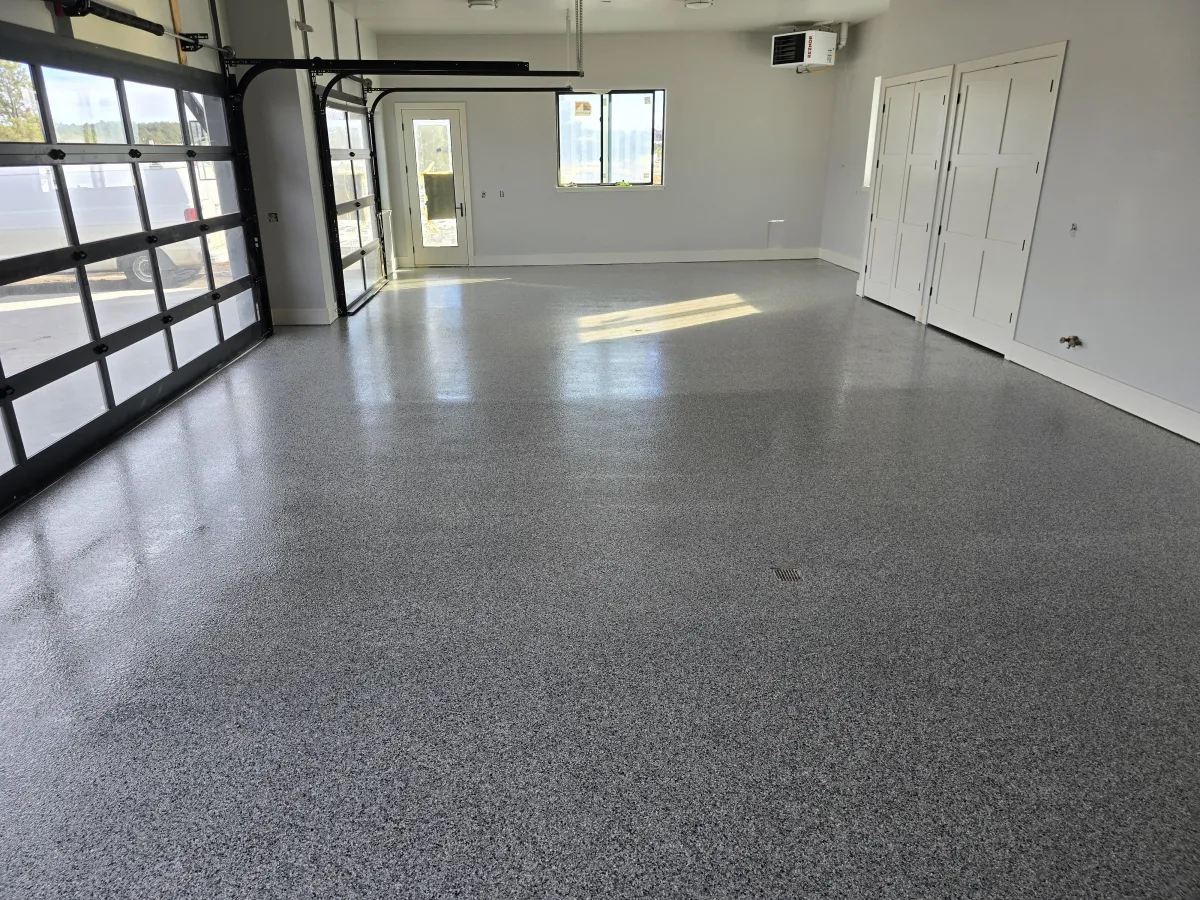
Prep Like a Pro: Inside Tips for Stunning Flooring Results Jun 22, 2026
First and foremost, thorough cleaning is fundamental. Before you even think about laying new flooring, ensure that your subfloor is scrupulously clean. Dust, debris, and old adhesives can significantly affect how well your new flooring adheres, potentially leading to uneven surfaces. Use a vacuum to remove loose dirt and a mop for sticky residues. This initial cleaning step lays the groundwork for everything that follows.
Next, you’ll need to inspect your subfloor for any damage. Cracks, gaps, or warping need immediate attention, as they can compromise the integrity of your new floor. If you're dealing with a concrete subfloor, check for moisture issues. Moisture can be detrimental, especially for wood or laminate flooring. Use a moisture meter to ensure levels are within the acceptable range, typically less than 5%.
Leveling the subfloor is the next vital step in the floor preparation process. An uneven subfloor can lead to creaking, uneven wear, and can ruin the aesthetics of your new flooring. Self-leveling compound is a great tool to address this. Pour it over the subfloor to fill in low spots, creating a perfectly even base. Make sure to allow it sufficient time to cure according to the manufacturer's instructions.
A crucial yet often overlooked step is acclimating your flooring material. Different types of flooring, whether hardwood, laminate, or vinyl, need time to adjust to the room’s temperature and humidity levels. Unpack the materials and let them sit in the installation area for at least 48 hours. This process helps to minimize the risk of warping or gapping after installation.
Another key aspect is choosing the right underlayment. This layer is pivotal for moisture protection, sound reduction, and cushioning underfoot, and it also assists in smooth installation. The choice of underlayment depends largely on the type of flooring you opt for. Consult with the flooring manufacturer or your flooring professional to select the best option for your specific needs.
Last but not least, planning your layout is essential. Take accurate measurements of your space to determine how much material you need. When planning for laminate or hardwood, start installation along the longest, straightest wall, usually the exterior wall, for best results in alignment. Additionally, leave space for expansion around the edges, as flooring materials, especially wood, expand and contract with changes in humidity and temperature.
In conclusion, preparing your floors like a professional involves a series of well-thought-out steps. Clean thoroughly, inspect and repair damages, level your subfloor, acclimate materials, choose the right underlayment, and plan your layout meticulously. By following these expert tips from John's Flooring Demo & Prep, you'll be well on your way to achieving stunning, durable flooring that stands the test of time. If you find these tasks daunting, remember our team is always ready to assist you on your journey to beautiful floors.
/filters:no_upscale()/filters:format(webp)/media/7599936a-a937-4809-9f1e-71a6f6a7b777.webp)
/filters:no_upscale()/filters:format(webp)/media/228f22fd-a659-4e5f-b6ea-702276badfd5.png)